
The Bear River is the largest river in North America that never reaches an ocean. It rises in the Uinta Mountains, wanders through three states, and empties into the Great Salt Lake. That is why, when the lake began to vanish, every serious conversation about saving it eventually arrived at this river.
In 2025, Utah and Idaho did something states had never done: they signed on to an interstate, drone-based cloud seeding program and asked to be shown the receipts. Idaho’s Water Resource Board committed $950,000. Utah brought more than $3.4 million, including $3 million in one-time legislative funding. The National Center for Atmospheric Research was engaged to validate results independently. Nobody grades their own homework.
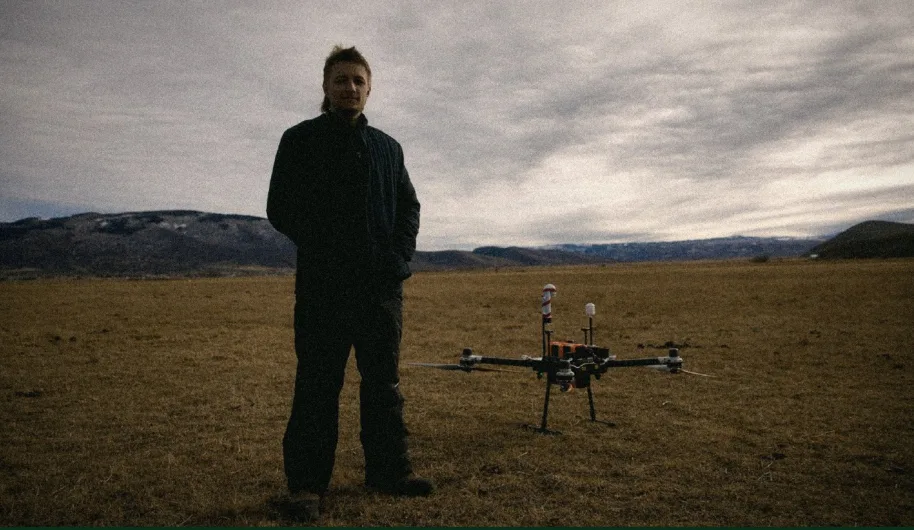
From November 1 to April 30, thirty-two Elijah V2 aircraft, each releasing about three grams of seeding material per minute, flew storm by storm, guided by Prophet’s forecasts and dispatched by Seraph, the fleet command system. Ground generators in Utah covered the terrain drones don’t, with three more already authorized across the Idaho line.
The proof of concept was already banked: 143 million gallons of validated, radar-confirmed precipitation from earlier operations: the first time anyone could point at falling snow and prove, instrument by instrument, that people put it there. This winter was the scale-up. The full accounting, NCAR’s, not ours, lands after the melt.